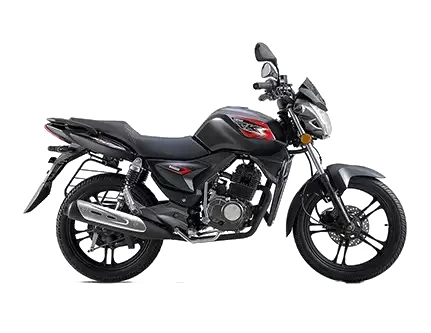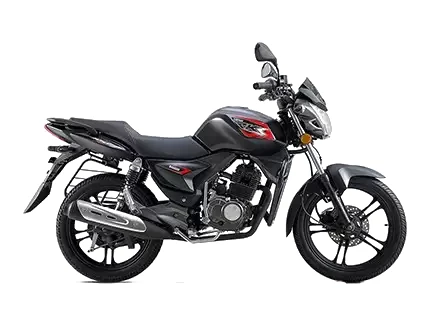
Keeway RKS 100 Ownership Assessment: Budget Commuting With Clear Limits
The Keeway RKS 100 offers a straightforward proposition for Bangladesh: a 99cc naked commuter with an indicative listed price of Tk 99,900. This Bike Price Bangladesh assessment is specification-based editorial analysis, not a hands-on test or an owner’s testimonial. The supplied listing marks it available and describes sales through Aftab Automobiles Limited, but its price, specifications and local availability have not been independently verified here. Confirm the final showroom quotation and exact bike specification before paying. Its appeal depends less on performance claims than on whether modest output, basic equipment and manageable ownership demands suit your daily route.
1. Keeway RKS 100: Buy for the Commute, Not the Speed Figure
The strongest target buyer is a budget-conscious solo commuter whose journeys reward predictable transport rather than rapid acceleration. The supplied 2026 model entry combines a small engine with a 125 kg listed weight, so buyers should not assume that 99cc automatically means an exceptionally light motorcycle. Regular two-up travel, steep approaches or frequent overtaking would demand more patience. The approximately 110 km/h listed top speed is an untested estimate, not a safe cruising recommendation or a useful substitute for assessing overtaking margin.
2. Keeway RKS 100 Engine: Torque Arrives Before Peak Power
The air-cooled, four-stroke single produces a listed 7.3 bhp at 7,500 rpm and 7.6 Nm at 5,500 rpm. Those figures describe different abilities: torque helps explain pulling effort, while power matters when sustaining acceleration as speed rises. Peak torque arriving earlier than peak power suggests riders need not chase maximum revs for every ordinary acceleration, although the complete torque curve is unknown. With a four-speed manual gearbox, timely downshifts will matter when carrying a passenger or recovering speed; specifications alone cannot establish gear spacing or low-speed smoothness.
3. Keeway RKS 100 Fuel Budget: Treat 60 km/l as Conditional
The approximately 60 km/l mileage figure is a listed estimate, not measured Bangladesh traffic economy. Queuing, repeated acceleration, short trips, passenger weight and carburetor adjustment can all change consumption. Budget using your own fill-to-fill records rather than treating that number as guaranteed. For planning only, 600 kilometres would require 10 litres at 60 km/l, or about 13.3 litres at a hypothetical 45 km/l. Neither is a test result. The 16-litre tank offers substantial nominal capacity, but usable capacity and reserve details are not supplied, so dependable range remains unknown.
4. Keeway RKS 100 Comfort: Clearance Is Not Suspension Quality
A listed 185 mm ground clearance is relevant to uneven approaches and speed breakers, but loading and suspension compression still affect contact risk. Telescopic forks and an oil-damped coil-spring rear arrangement describe the hardware, not its comfort or control. Likewise, the 1,260 mm wheelbase cannot establish stability by itself. Seat height, suspension travel and passenger accommodation measurements are unknown. The listed single-seat format needs an in-person check for usable pillion space, footrest placement and grab support. Sit aboard with your usual passenger and assess knee room before buying.
5. Keeway RKS 100 Braking: A Disc Without ABS
The front single disc and rear drum provide a conventional braking layout, but ABS is explicitly listed as absent. That matters on wet roads or loose surfaces, where abrupt braking can lock a wheel. Progressive control and conservative following distances are more important than the presence of a disc alone. The alloy wheels carry listed 90/90-17 front and 110/80-17 rear tubeless tyres. Tubeless construction is useful for puncture management, but cannot establish grip: inspect tyre age, condition, pressure, valves and wheel damage, and use the manufacturer’s pressure guidance.
6. Inspect the Finish, Switches and Starting Systems
Documented model-specific fault evidence is not supplied, so inspection advice should not be mistaken for a list of known defects. Check panel alignment, paint, fasteners, weld appearance, fluid leaks and cable routing. Test both kick and electric starting, the engine kill switch, digital speedometer and all lights. The halogen headlight deserves an aim and operation check if night commuting is likely. Confirm charging-system operation and battery condition; only a 12V battery specification is supplied, not capacity. Examine fork seals, steering movement and brake feel before accepting delivery.
7. Keeway RKS 100 Parts: Get Answers in Writing
The supplied description names Aftab Automobiles Limited, but that does not establish nearby workshop coverage or current spare-parts stock. Separate routine consumables—oil, plugs, filters, brake friction materials and chain components—from model-specific panels, instruments, electrical components and engine internals. Even consumables require confirmed compatibility. Ask a local supplier for written availability, prices and lead times for both groups, including whether special-order items depend on imports. Before purchase, identify a workshop willing to service this exact model and confirm access to the appropriate service information.
8. Maintenance Costs: Simple Hardware Still Needs Attention
Air cooling avoids a liquid-cooling circuit, while carburetion makes correct adjustment and clean fuel delivery relevant ownership tasks. Neither feature proves low repair bills or long-term reliability. Obtain an itemised service estimate covering oil, scheduled inspections, carburetor work when necessary, chain adjustment, brakes and labour. Service intervals and lubricant specifications are not supplied; follow the correct manual rather than invented schedules. Include eventual tyres, battery and drivetrain replacement in the budget. A low purchase price becomes less persuasive if routine maintenance is postponed.
9. Used Keeway RKS 100: Value the Evidence, Not the Asking Price
For a used example, reconcile registration and engine/frame identifiers, review service records and arrange an independent inspection. Check cold starting, shifting, clutch operation, straight tracking and signs of crash repair without assuming any defect is characteristic of this model. Resale strength and depreciation percentages are unknown. Compare actual local offers rather than relying on advertised asking prices alone. Alternatives should be locally verified small-capacity commuters; compare total purchase cost, braking equipment, passenger fit and documented parts support, not unverified claims about rival availability.
Pros
- Indicative Tk 99,900 price suits a constrained purchase budget.
- Peak torque occurs below the peak-power RPM.
- Large listed 16-litre tank capacity.
- Tubeless tyres on alloy wheels.
- Both kick and electric starting are supplied.
Cons
- No ABS for emergency wheel-lock protection.
- Modest output limits loaded acceleration expectations.
- 125 kg deserves a low-speed handling check.
- Local parts lead times and service costs need verification.
Verdict
The Keeway RKS 100 is worth considering for economical, predominantly solo commuting if the final price, physical fit and written support arrangements work for you. Do not buy it on the mileage or top-speed estimates alone. Prioritise braking confidence, passenger needs and a realistic maintenance budget before deciding that its low entry price represents good ownership value.