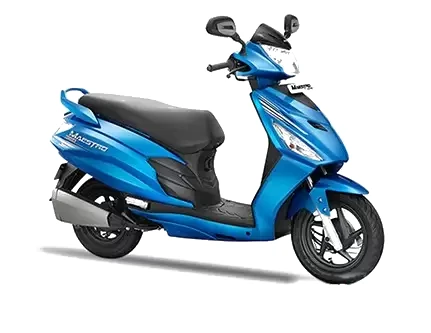
Hero Maestro EDGE Ownership Assessment: Urban Convenience with Braking and Service Trade-offs
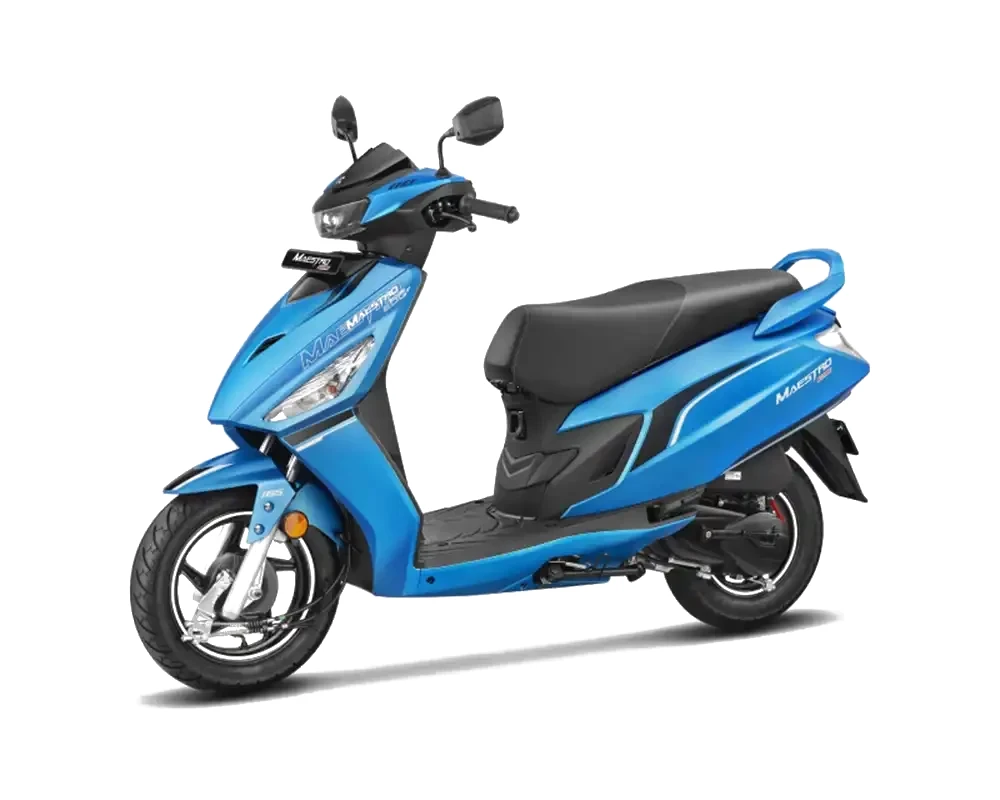
The Hero Maestro EDGE is a 110cc automatic scooter worth considering for everyday Bangladesh commuting, provided its braking limitations and service requirements suit you. This Bike Price Bangladesh assessment is specification-based editorial analysis, not a hands-on test or an owner’s testimonial. The supplied listing marks it available at Tk 157,500; that price and all specifications are indicative, not independently verified here. Confirm the exact showroom variant, final price and paperwork before paying.
1. Who the Hero Maestro EDGE suits best
The strongest case for this scooter is a rider making frequent urban journeys who values automatic operation over manual gear changes. Its listed 110 kg weight and 695 mm width are relevant to parking and narrow access, although neither guarantees easy handling. The 800 mm seat height deserves a seated check: shorter riders should test secure foot placement rather than assume every scooter is accessible. Regular high-speed intercity travel or heavy two-person use calls for a more cautious assessment of performance and braking reserves.
2. Hero Maestro EDGE power: understand the two RPM peaks
The air-cooled, four-stroke single-cylinder OHC engine produces a listed 8 bhp at 7500 rpm and 8.7 Nm at 5500 rpm. Torque peaks earlier than power, but those two figures alone cannot reveal launch response or how the automatic transmission behaves. Expect overtaking decisions to require space, particularly with a passenger; do not equate automatic convenience with effortless acceleration under every load. The listed approximate 100 km/h top speed is not a tested result or a recommended cruising speed, and contributes little to judging everyday traffic usefulness.
3. Hero Maestro EDGE fuel budgeting in Bangladesh traffic
The supplied approximate mileage is 40 km/l, not measured economy from this assessment. Applied directly to the 5.50-litre tank, it suggests about 220 km mathematically, but that is not a dependable refill interval. Congestion, prolonged idling, passenger weight and repeated acceleration can reduce real-world distance per litre. The carburettor also makes correct adjustment and intake maintenance relevant to fuel budgeting. Record full-tank consumption across several normal commutes, and calculate monthly fuel spending from that result rather than treating the listing as a guarantee.
4. Comfort, pillion use and rough-road clearance
The Hero Maestro EDGE combines telescopic hydraulic front suspension with a unit-swing rear arrangement using a spring-loaded hydraulic damper. These specifications identify the hardware, not its comfort, damping quality or resistance to bottoming. The listed 155 mm ground clearance deserves particular attention around broken road edges and speed breakers, especially when carrying a passenger.
The single-seat description does not establish usable pillion space or cushioning quality. Check seating room, passenger foot support and mounting ease together. A representative test ride, if permitted, is more informative than assuming the 1261 mm wheelbase proves stability or comfort.
5. Hero Maestro EDGE braking needs realistic expectations
Both brakes are drums, and the supplied specification explicitly lists no ABS. That is a meaningful compromise for wet-road commuting: there is no anti-lock intervention to help prevent wheel lock during hard braking. Brake condition, progressive inputs and generous following distance therefore matter, without implying that specification alone establishes stopping distance.
The alloy wheels carry tubeless 90/90–12 front and 90/100–10 rear tyres. Tubeless construction does not eliminate punctures or pressure checks. Inspect tread, age, sidewalls and wheel damage, and confirm replacements in the correct sizes and suitable ratings before committing to ownership.
6. Inspect the Hero Maestro EDGE rather than assume build quality
Documented model-specific fault evidence is not supplied. Accordingly, panel alignment, fasteners, steering movement, suspension leakage and electrical operation should be treated as inspection checks, not alleged recurring defects. On a showroom example, examine paint finish and confirm that every control works before accepting delivery.
Check both kick and electric starting, the digital speedometer and the listed 12V 4Ah battery’s condition. The 12V 35/35W halogen headlight also warrants a practical check of illumination and aim; its wattage alone cannot establish whether night visibility meets your route requirements.
7. Parts support: get a local written answer
The supplied description identifies HMCL Niloy Bangladesh Limited as the sales channel, but that does not establish workshop coverage or current parts stock near you. Separate routine consumables—oil, filters, brake shoes and tyres—from model-specific body panels, instruments, electrical components and automatic-transmission parts.
Ask a local supplier for written availability, compatible part numbers and lead times for both categories. Verify who will service the scooter and whether they can obtain the correct components. Brand familiarity is not a substitute for a usable local support plan, particularly when downtime would disrupt daily work.
8. Hero Maestro EDGE maintenance costs without invented figures
No service intervals, labour charges or parts prices are supplied, so a credible monthly maintenance figure cannot be stated. Air cooling avoids a liquid-coolant service item, but does not remove oil changes, cooling-area cleanliness or inspections. Obtain the correct manual and a written estimate covering scheduled servicing, carburettor checks, brake adjustment and transmission maintenance.
Include tyre replacement and battery renewal in a longer-term budget rather than counting fuel alone. Compare quotes by work scope and parts specification: a low headline service charge is not necessarily economical if necessary inspections or replacement items are excluded.
9. Buying used and planning an eventual sale
For a used Hero Maestro EDGE, verify ownership documents, identification numbers and service records before negotiating. Request a cold start and assess starting consistency, idle, acceleration and braking during a safe inspection ride. Look for crash repairs and modifications; unexplained symptoms justify a qualified mechanic’s assessment, not an unsupported diagnosis.
No resale history or depreciation percentage is supplied. Compare actual local asking prices while remembering that asking prices are not completed transactions. If considering alternatives, compare automatic scooters with verified local support and stronger braking equipment rather than assuming any named rival is currently stocked in Bangladesh.
Pros
- Automatic transmission removes routine manual gear changes in traffic.
- Listed 110 kg weight merits consideration for everyday parking.
- Both kick and electric starting are specified.
- Tubeless tyres are fitted at both ends.
- Air cooling avoids liquid-coolant maintenance.
Cons
- Front and rear drum brakes have no ABS support.
- The 800 mm seat needs a shorter-rider fit check.
- Listed fuel economy is not verified traffic consumption.
- Local parts stock and servicing costs require confirmation.
Verdict
The Hero Maestro EDGE makes its clearest case as an automatic urban commuter, not a speed-led purchase. Buy only after checking rider and pillion fit, accepting the non-ABS drum-brake compromise, and securing written service and parts information. At the indicative Tk 157,500 price, those practical checks matter more than the advertised top-speed estimate.