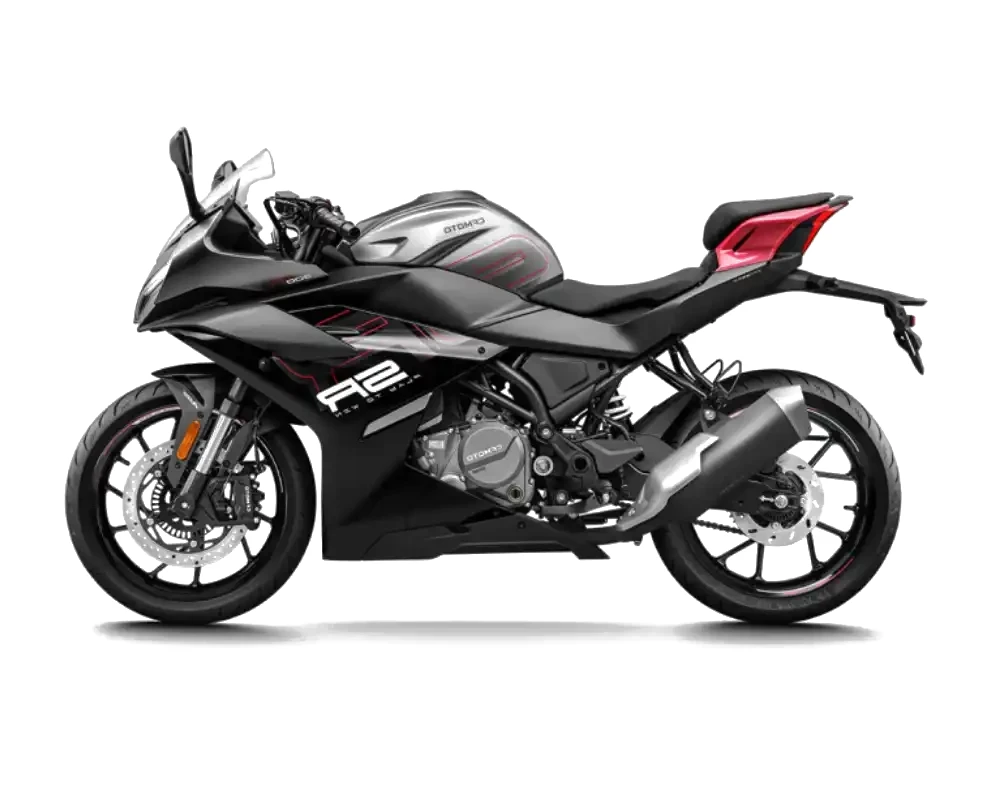
CFMoto 300SR Review: Ownership Reality in Bangladesh
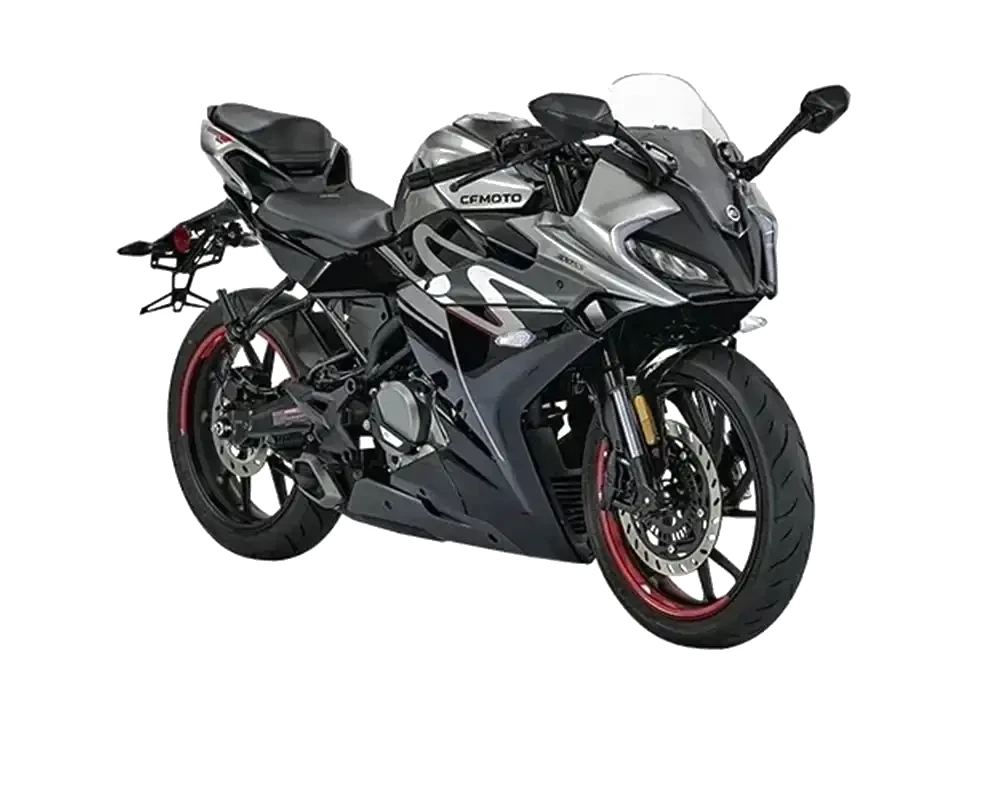
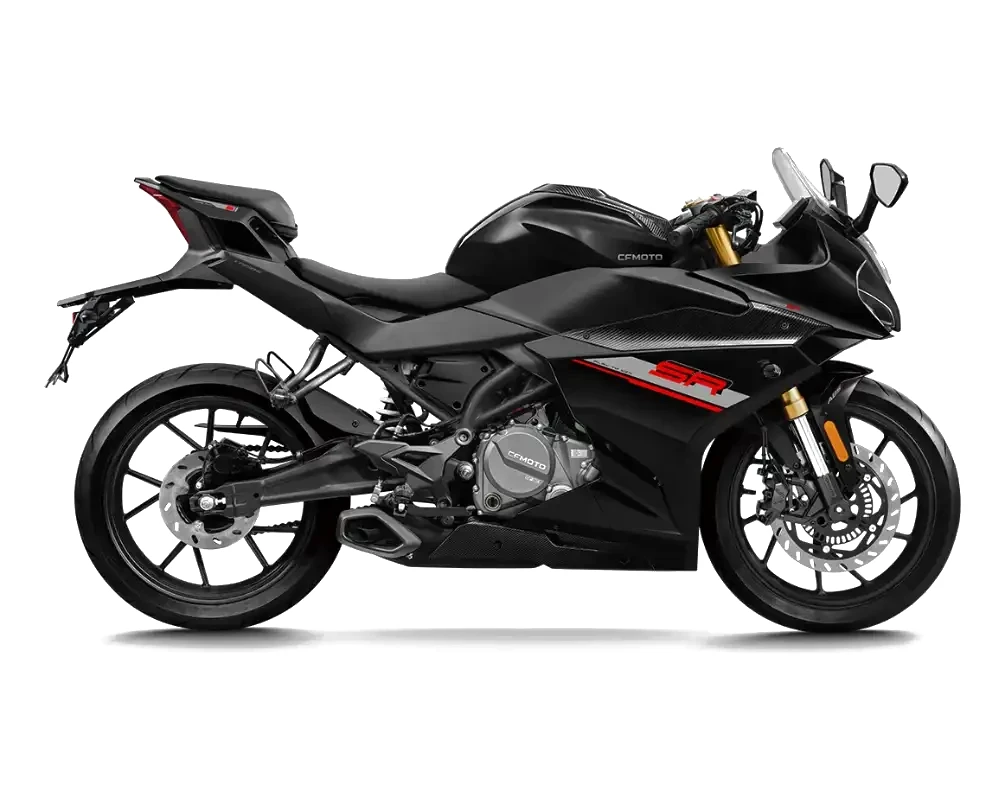
The CFMoto 300SR offers Bangladeshi buyers a fully faired sport motorcycle with a 298cc engine, liquid cooling and dual-channel ABS at a listed price of BDT 458,500. It is listed as available through CFMOTO Bangladesh, although stock and the final on-road bill need dealer confirmation. Its appeal is clear; the harder question is whether it suits your commute, roads and ownership expectations. This review assesses the supplied specifications and practical buying considerations, rather than claiming a personal long-term test.
Who should buy the CFMoto 300SR?
The CFMoto 300SR makes most sense for someone who wants more performance than an everyday commuter, enjoys sportbike styling and can accept some ownership inconvenience. It could serve as a daily motorcycle with weekend highway duties, but it is not the obvious choice for riders prioritising cheap repairs, frequent pillion trips or immediate parts access outside major centres.
Do not buy the CFMoto 300SR purely because its specification sheet looks generous. Before paying, sit on it, check the reach to the handlebars and ask the local workshop about actual parts stock. For a buyer whose motorcycle must work every morning without alternative transport, after-sales support deserves as much attention as engine output.
CFMoto 300SR engine: revs matter more than easy shove
The CFMoto 300SR uses a single-cylinder, four-stroke DOHC engine with four valves and Bosch fuel injection. Its quoted 30 bhp arrives at 9500 rpm, while 27 Nm peaks at 6500 rpm. That separation suggests useful drive before peak power, but enthusiastic acceleration will still require revs and deliberate use of the six-speed gearbox.
With a listed weight of 155 kg, the CFMoto 300SR should offer meaningful highway overtaking ability, provided the rider selects the right gear. Expect neither effortless large-capacity roll-on acceleration nor commuter-style indifference to gear selection. Its approximate 150 km/h top-speed claim is not a verified test result or a sensible target on public roads; usable overtaking response matters much more.
Fuel economy and Dhaka traffic
The CFMoto 300SR carries an approximate mileage figure of 30 km/l, not a guarantee for Dhaka. Crawling through junctions, repeated acceleration, prolonged idling and enthusiastic throttle use can all pull consumption below that claim. Without controlled local testing, quoting a precise congested-city figure would be misleading. Measure your own economy consistently across several full-tank refills.
The 12 L tank gives the CFMoto 300SR reasonable touring potential on paper, but plan refuelling conservatively rather than assuming every litre is usable. Liquid cooling helps manage engine temperature; it does not promise a cool rider in stationary traffic. During a test ride, assess fan operation, heat around your legs, clutch effort and low-speed throttle response.
CFMoto 300SR comfort on broken roads
The CFMoto 300SR has a 780 mm seat height, which should make it approachable for many riders, although seat width and leg length determine actual footing. Sport styling alone cannot tell you how tolerable the riding position will be. Spend time checking wrist pressure, knee bend and the pillion's split-seat accommodation rather than judging comfort from a showroom photograph.
The more serious Bangladesh concern is the CFMoto 300SR's 135 mm ground clearance. Tall speed breakers, broken road edges and carrying a passenger demand care. Its 37mm upside-down fork and rear monoshock are promising hardware, but specifications cannot establish damping quality. A test ride over patched tarmac should reveal whether it absorbs sharp edges or transmits them to the rider.
Handling, monsoon riding and braking
The CFMoto 300SR combines a 1365 mm wheelbase with tubeless tyres sized 110/70-R17 at the front and 140/60-R17 at the rear. These dimensions suggest a road-focused sport package, not proof of exceptional grip. Tyre condition, compound and pressure will strongly influence confidence on wet paint, muddy junctions and polished road surfaces.
Braking is a strong specification-level argument for the CFMoto 300SR: a 300 mm front disc with an opposed four-piston caliper, a 200 mm rear disc and Continental dual-channel ABS. ABS can help control wheel lock, but cannot create grip or prevent every cornering fall. Avoid floodwater: hidden potholes, submerged debris and water ingestion can defeat careful riding and create expensive damage.
CFMoto 300SR build quality: inspect, don't assume
There is not enough verified model-specific evidence here to label particular failures as common CFMoto 300SR defects. Equally, attractive fairings and an LED headlight do not establish long-term durability. Inspect panel alignment, fasteners, paint edges, wiring routing and exposed connectors. Check that the digital speedometer, switches and lighting work consistently, not merely during a quick ignition-on demonstration.
On a used CFMoto 300SR, look for coolant staining, fork-seal leaks, damaged fairing mounts, uneven tyre wear and evidence of crash repairs. Listen for unusual noises and test gear selection under load. These are inspection priorities, not claims of known faults. Documented servicing and a clean cold start are more useful evidence than broad arguments about Chinese manufacturing.
Parts, servicing and maintenance costs
The CFMoto 300SR is sold through CFMOTO Bangladesh, but that alone does not establish convenient nationwide support. Compared with established Japanese and Indian brands backed by large distributors, a smaller network can mean fewer workshop choices and longer waits for model-specific components. Do not assume every Chinese-brand importer has equivalent capability; verify this distributor's support in your own district.
Ask about CFMoto 300SR filters, brake pads, clutch components, levers, fairings, sensors and ABS-related parts, including prices and delivery arrangements. Routine servicing need not be extravagant, but liquid cooling and fuel injection require competent attention. Fairing damage and imported electronics can make an otherwise minor incident costly. Obtain a written maintenance schedule and quotations rather than accepting a blanket claim of cheap upkeep.
Resale value and Bangladesh alternatives
Treat CFMoto 300SR resale conservatively. A less established local ownership base can narrow the pool of used buyers, particularly where workshop access is uncertain. That does not justify inventing a depreciation percentage. Compare actual dealer purchase offers and completed transactions where possible; optimistic classified advertisements are not evidence of what sellers receive.
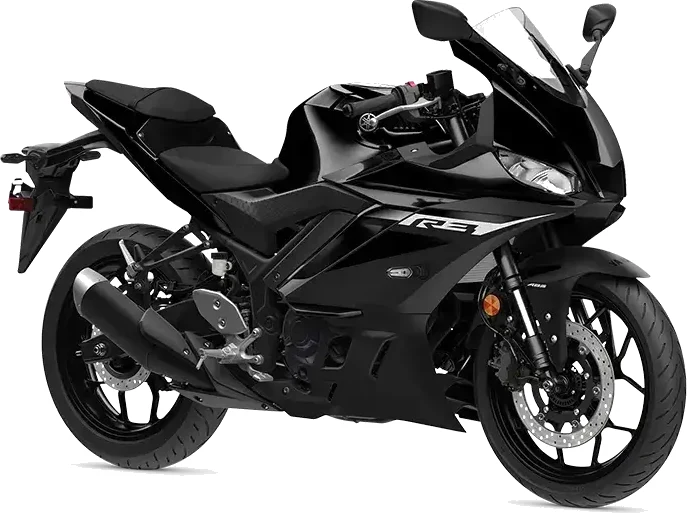
Bangladeshi buyers considering the CFMoto 300SR may also cross-shop locally offered Yamaha R-series, Suzuki Gixxer SF and Bajaj Pulsar RS motorcycles. These are shopping alternatives, not necessarily direct displacement or price equivalents. Confirm current versions and availability. The CFMoto's performance specification is attractive, while established alternatives may make a stronger case through familiar servicing, parts access and easier resale.
Pros
- Strong performance specification for riders moving beyond commuter motorcycles.
- Dual-channel ABS and substantial front braking hardware.
- Liquid cooling, Bosch fuel injection and a six-speed gearbox.
- Approachable listed seat height for many riders.
- Fully faired sportbike appeal with highway potential.
Cons
- Limited ground clearance requires care on broken roads and speed breakers.
- Local parts stock and workshop coverage need careful verification.
- Dhaka fuel economy may fall below the approximate claim.
- Fairings and model-specific electronics can increase repair costs.
- Resale demand is less predictable than for established mainstream alternatives.
Verdict
The CFMoto 300SR is a credible enthusiast purchase, not an automatic ownership bargain. Buy it if the riding position fits, your regular roads are manageable and a competent nearby dealer can demonstrate parts support. For buyers who value minimal downtime and straightforward resale above performance and styling, a more established alternative remains the safer decision.