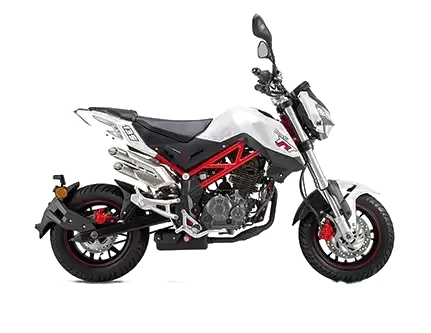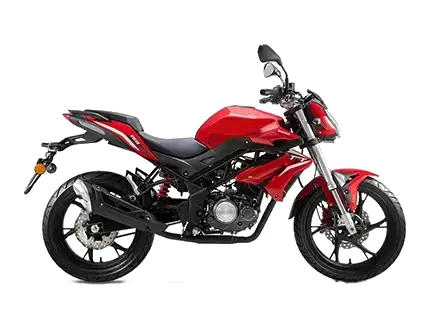
Benelli TNT 150 Review: Ownership Reality in Bangladesh
The Benelli TNT 150 offers Bangladeshi buyers a naked-bike alternative to the familiar commuter choices. Listed at BDT 165,500 and marked available in the supplied information, it combines a 148cc engine, disc brakes at both ends and distinctive brand appeal. But buying one sensibly means looking beyond the badge. This is an ownership-focused assessment based on the supplied specifications, not a claimed long-term road test; comfort, finish and local support still need checking in person.
Who Should Buy the Benelli TNT 150?
The Benelli TNT 150 makes most sense for someone who wants everyday transport with more personality than a basic commuter, and who has dependable workshop access nearby. Its air-cooled, carburetted engine and manual gearbox are mechanically straightforward. Electric and kick starting add practical flexibility. It is less convincing for buyers whose priorities are effortless resale, widespread parts access or modern braking protection.
Treat the listed price as a starting point, not a confirmed on-road quotation. Ask what registration and other charges add, what warranty applies, and whether the motorcycle is physically in stock. The supplied description identifies Aftab Automobiles Limited as its Bangladesh sales channel; confirm the current authorised outlet and support arrangements before paying.
Benelli TNT 150 Engine: Everyday Pace, Not Big Performance
The Benelli TNT 150 produces 11.2 bhp at 7500 rpm and 10.7 Nm at 6500 rpm, moving a quoted 144 kg. Those figures suggest modest performance rather than explosive acceleration. With peak torque arriving relatively high in the rev range, expect to use the gearbox for brisk progress rather than rely on strong pulling power from low engine speeds.
In city use, the five-speed manual should let riders keep the engine working where it responds best, although clutch weight and shift quality need a test ride. On highways, plan overtakes with space, especially carrying a pillion. The approximate 120 km/h top-speed claim is not a verified test result or a sensible cruising recommendation. Acceleration reserve matters more than the speedometer's highest reading.
Fuel Economy in Dhaka Traffic
The Benelli TNT 150 carries an approximate mileage figure of 40 km/l, not a guarantee for crawling through Farmgate or waiting at successive signals in Mirpur. Repeated acceleration, extended idling, a pillion and poor carburettor adjustment can reduce economy. Without controlled local testing, promising a separate Dhaka mileage figure would be misleading.
Its 13.5 L tank offers useful fuel capacity, but do not calculate dependable touring range from the headline economy alone. Measure consumption through consistent refill records. Correct tyre pressure, a clean air filter and properly adjusted chain are worthwhile basics; carburettor tuning should prioritise smooth running rather than an excessively lean setting intended to chase mileage.
Benelli TNT 150 Comfort, Handling and Broken Roads
The Benelli TNT 150 uses a telescopic fork and rear monoshock. That layout alone cannot establish ride quality: damping, spring condition and setup determine whether it absorbs broken tarmac or kicks through the seat. Test it over patched roads and speed breakers, ideally with your usual pillion. The split seat is a feature, not proof of long-distance comfort.
Quoted ground clearance is 170 mm, useful on paper for uneven roads, but suspension compression and load still matter over tall speed breakers. Seat height is not provided, so shorter riders should check their footing rather than trust photographs. At 144 kg, reversing out of a sloping parking space deserves attention. The 1365 mm wheelbase also cannot, by itself, prove agility or stability.
In rain, inspect the actual tyres rather than assuming the 100/80-17 front and 130/70-17 rear tubeless sizes guarantee grip. Compound, age and tread condition matter greatly on painted markings and muddy road edges. Avoid floodwater: ground clearance is not a safe wading-depth specification, and water can damage the intake, electrical components and bearings.
Braking and Safety on the Benelli TNT 150
The Benelli TNT 150 has front and rear disc brakes but no ABS. This is a meaningful weakness for emergency stops on wet or sandy Bangladeshi roads. Disc hardware does not prevent wheel lock; progressive braking, sound tyres and adequate following distance remain essential. Check lever feel, pad condition and disc surfaces before accepting delivery.
The specified 35W/35W halogen headlight deserves a night-time demonstration before regular highway use. Confirm beam alignment and visibility rather than assuming it is adequate on unlit roads. The digital speedometer and engine kill switch are useful conveniences, but neither offsets the absence of ABS.
Build Quality: Inspect Rather Than Assume
There is insufficient verified model-specific evidence here to label particular failures as common Benelli TNT 150 problems. Claims about recurring electrical faults, rust or carburettor trouble should not be presented as established ownership patterns without evidence. Equally, the Benelli badge is not a substitute for inspecting the actual motorcycle.
Check paint around welds, exposed fasteners, wiring connections, panel fit, fork seals and chain adjustment. Start the engine cold, then assess warm idle, throttle response and restarting. On a used Benelli TNT 150, look for crash repairs, leaking suspension and neglected consumables. These are inspection priorities, not a claim that this model routinely suffers those faults.
Benelli TNT 150 Parts, Service and Running Costs
Bangladesh's established Japanese and Indian brands generally offer a broader service ecosystem than niche alternatives. Benelli buyers should verify support locally rather than assume equivalent coverage. However, grouping it automatically with every small Chinese importer would also be unfair: the relevant questions are who supports this motorcycle now, which parts they stock, and how warranty work is handled.
Before buying the Benelli TNT 150, request availability and quotations for filters, cables, brake pads, chain-and-sprocket sets, body panels and electrical components. Familiar engine technology can help routine servicing, but it does not guarantee model-specific parts availability. Maintenance costs depend on labour, parts sourcing and condition; no defensible fixed budget follows from these specifications. Waiting for a component can matter more than its price.
Rivals and Resale in Bangladesh
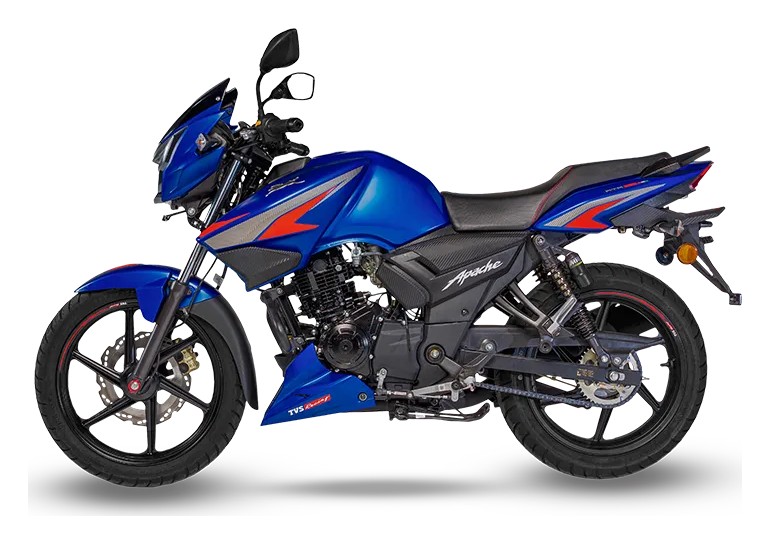
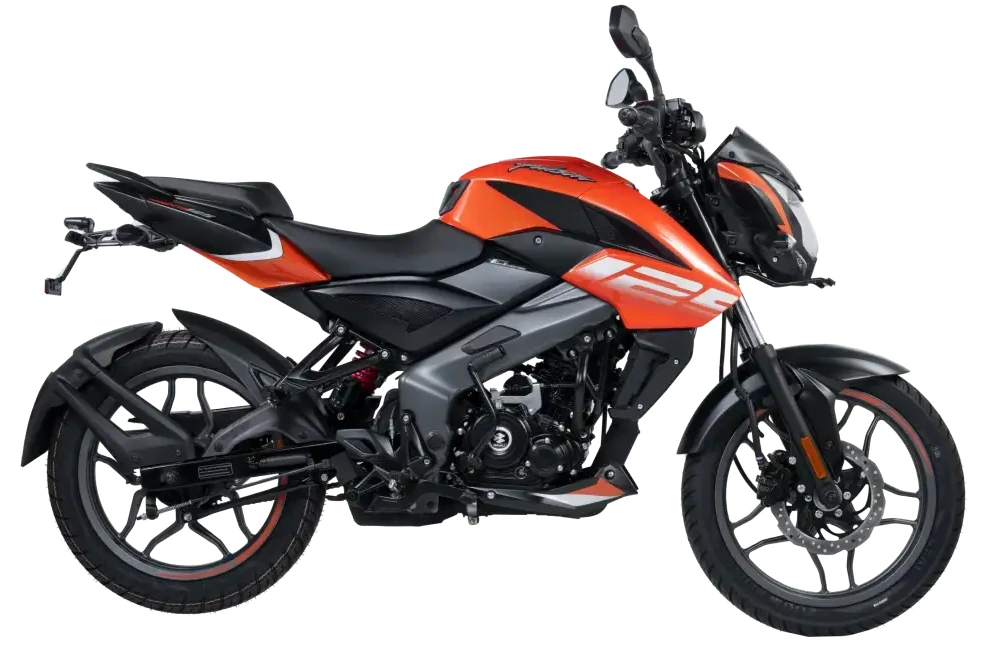
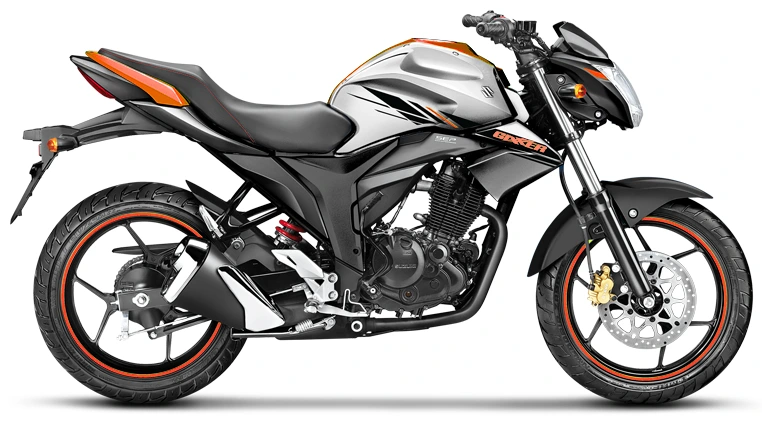
Buyers considering the Benelli TNT 150 should also inspect locally available Bajaj Pulsar, TVS Apache RTR and Suzuki Gixxer alternatives. These are comparison-shopping candidates, not a claim of identical prices or equipment. Compare the actual variant's braking specification, riding position, dealer support and total purchase cost.
Resale is another reason to buy cautiously. A less familiar model can attract fewer used buyers than established mainstream choices, although condition and local demand determine the outcome. Avoid assuming a specific depreciation rate. Ask dealers whether they accept the Benelli TNT 150 in exchange and compare genuine offers rather than optimistic classified advertisements.
Pros
- Straightforward air-cooled engine and manual transmission.
- Electric and kick starting provide practical flexibility.
- Disc brakes at both ends and tubeless tyres.
- Useful quoted ground clearance and fuel capacity.
Cons
- No ABS for emergency-braking assistance.
- Modest output relative to the quoted weight.
- Parts support needs careful local verification.
- Resale demand may be narrower than mainstream rivals.
Verdict
The Benelli TNT 150 is worth considering for a buyer who likes its character and can verify dependable local support. It is not an obvious performance or safety leader. Buy after a proper test ride and parts enquiry; choose a better-supported alternative if downtime, resale or ABS matters more than individuality.