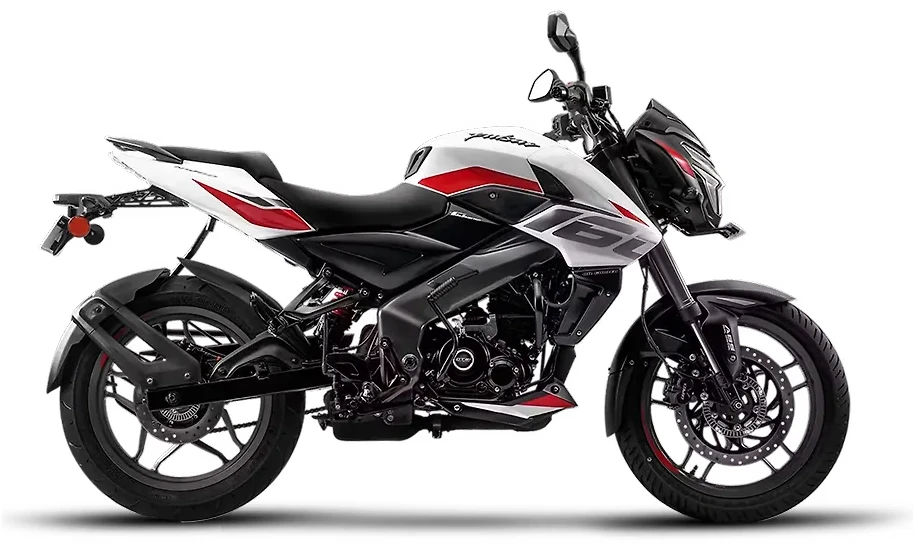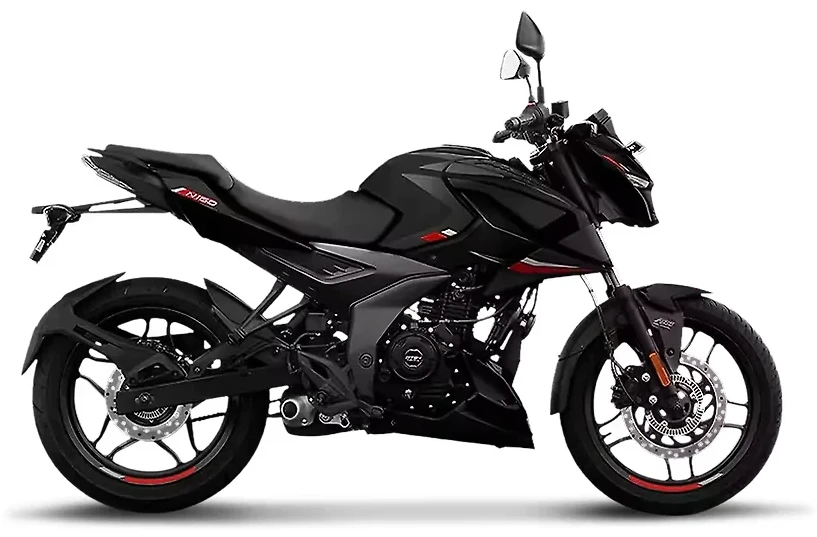
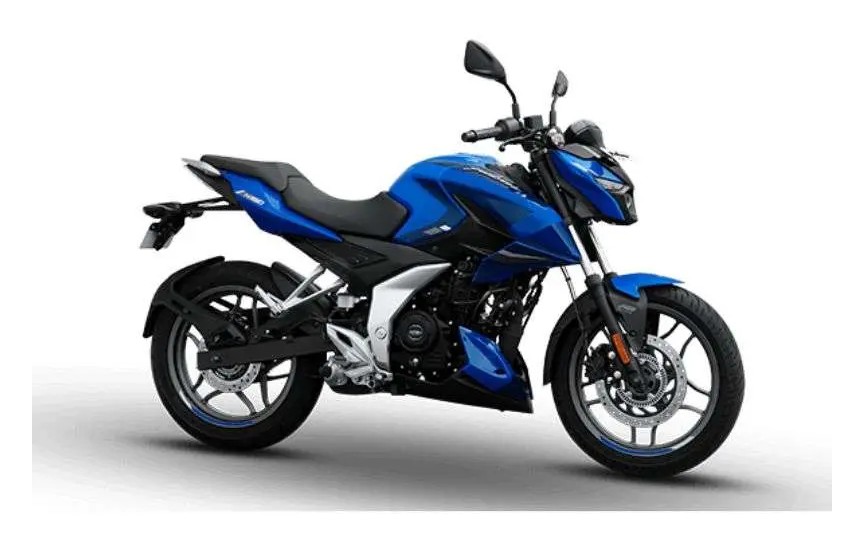
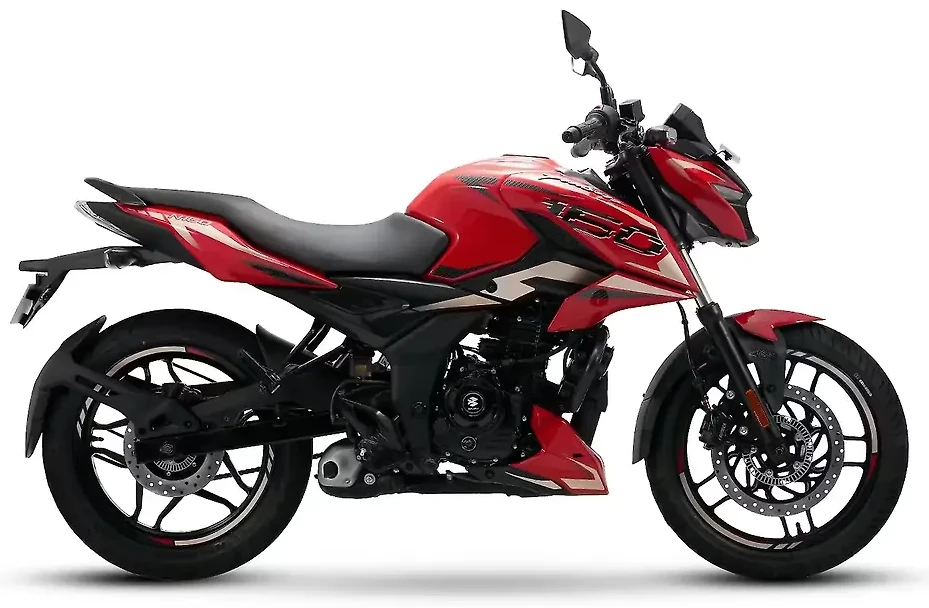
Bajaj Pulsar N160 Dual Channel ABS: Bangladesh Ownership Review
The Bajaj Pulsar N160 Dual Channel ABS is for Bangladeshi buyers who want a substantial everyday motorcycle without sacrificing braking safety for sporty styling. Listed at BDT 269,900 and marked available in the supplied information, it deserves consideration for commuting and occasional touring. Confirm the dealer’s final on-road quotation and equipment before paying. This is an ownership-focused assessment based on the supplied specifications and practical buying considerations, not a claim of a personal long-term road test.
Who Should Buy the Bajaj Pulsar N160 Dual Channel ABS?
The Bajaj Pulsar N160 Dual Channel ABS suits a rider whose week includes office traffic, errands and weekend trips beyond Dhaka. Its appeal is balanced performance backed by dual-channel ABS, rather than outright speed. At 154 kg, however, it is not the obvious choice for someone prioritising effortless parking or the lightest possible commuter. Beginners should try pushing it backwards and turning it in a confined space before deciding.
Bajaj Pulsar N160 Dual Channel ABS: Engine Character
The supplied specification gives the Bajaj Pulsar N160 Dual Channel ABS a 165 cc, fuel-injected, oil-cooled single producing 16 PS at 8,750 rpm and 14.65 Nm at 6,750 rpm. Those peak figures suggest an engine that rewards revs when making progress, rather than delivering all its useful performance immediately above idle. They do not establish the complete torque curve, so claims of exceptional low-speed flexibility would need a ride.
For city work, expect to use the 5-speed gearbox rather than ask a high gear to pull cleanly from walking pace. On highways, the Bajaj Pulsar N160 Dual Channel ABS should offer useful everyday performance, but its power and weight call for planned overtaking, especially with a pillion. The supplied approximate 125 km/h top speed is not a sensible cruising recommendation. Leave room for braking, crosswinds and unpredictable traffic.
Fuel Economy in Dhaka Traffic
Treat the Bajaj Pulsar N160 Dual Channel ABS’s approximate 40 km/l mileage as a reference, not a promise. Crawling through Dhaka, extended idling, short journeys and repeated acceleration can pull consumption below that figure. Freer-flowing riding may produce a different result, but there is no verified city test here to justify an exact alternative. Fuel injection helps meter fuel; it cannot eliminate congestion’s penalty. Track consumption using consistent tank-to-tank measurements. The 14 L tank is useful, although planning around its entire capacity is unwise.
Bajaj Pulsar N160 Dual Channel ABS: Comfort and Roads
The Bajaj Pulsar N160 Dual Channel ABS combines 37 mm telescopic forks with a Nitrox rear mono-shock. That is a conventional, serviceable arrangement, but hardware alone cannot establish ride comfort: spring rates, damping and load matter. Test it over patched asphalt and broken lane edges, not merely a smooth showroom frontage. Take your regular pillion if possible. Seat cushioning, knee bend and rear-seat comfort are ownership questions that specifications cannot answer.
A 795 mm seat height may be approachable for many riders, but seat width and inseam determine confidence at stops. The Bajaj Pulsar N160 Dual Channel ABS’s 165 mm ground clearance deserves caution over steep speed breakers, particularly when loaded. Its 1,358 mm wheelbase suggests a balance between manoeuvrability and stability, not guaranteed handling behaviour. Avoid deep potholes and floodwater: clearance is not wading depth. After unavoidable water exposure, check braking response and arrange inspection if water ingress is suspected.
Bajaj Pulsar N160 Dual Channel ABS: Braking and Safety
Dual-channel ABS is the Bajaj Pulsar N160 Dual Channel ABS’s strongest buying argument. It works with a 300 mm front disc and 230 mm rear disc to help prevent wheel lock during hard braking. That matters when a bus stops abruptly or wet road markings reduce grip. ABS does not guarantee shorter stops on every surface, prevent every slide or compensate for excessive corner-entry speed. Practise progressive braking and maintain a generous following distance.
The Bajaj Pulsar N160 Dual Channel ABS uses tubeless tyres sized 100/80-17 at the front and 130/70-17 at the rear. Their condition, pressure and compound matter more than appearance when monsoon rain arrives. Inspect the actual fitted tyres rather than assuming strong wet grip from their dimensions. The LED projector with DRL is welcome equipment, but check beam aim and night-time coverage; a projector label alone does not prove excellent illumination.
Build Quality, Electronics and Inspection Points
There is insufficient evidence here to label a particular failure as a common Bajaj Pulsar N160 Dual Channel ABS defect. Instead, inspect panel alignment, paint around welds, exposed fasteners, fork seals and wiring near the steering head. On a used example, listen for abnormal cold-start noise, check clutch take-up and gear selection, and look for uneven chain adjustment or neglected lubrication. These are inspection priorities, not allegations of established model faults.
Check the Bajaj Pulsar N160 Dual Channel ABS’s listed Infinity display, Bluetooth connectivity and USB charging port on the actual motorcycle, since equipment descriptions can differ between market variants. Pair your phone before delivery and verify the supported functions. Inspect the underbelly exhaust for impact damage and corrosion. Confirm that the ABS warning lamp follows its normal start-up sequence, and obtain a diagnosis rather than accepting a seller’s reassurance about a persistent warning.
Service, Maintenance Costs and Resale
Bajaj’s established Bangladesh presence gives the Bajaj Pulsar N160 Dual Channel ABS a practical advantage over motorcycles supported by small importers with limited workshops. Routine consumables should generally be easier to source, but that does not guarantee immediate stock of an ABS component, projector assembly or display. Ask your nearest authorised workshop about availability and lead times. Established Japanese and Indian brands with substantial local support are the more relevant ownership comparison.
Routine servicing for the Bajaj Pulsar N160 Dual Channel ABS should be manageable within mainstream commuter-sport ownership, but no verified workshop tariff supports an exact cost claim. Budget for oil, filters, chain care, tyres, pads and scheduled fluid changes; electronic replacement parts can be more expensive than basic servicing. Pulsar name recognition should help resale interest, although condition, documentation, accident history and local demand determine the actual offer—not brand reputation alone.
Bangladesh Rivals and Buying Decision
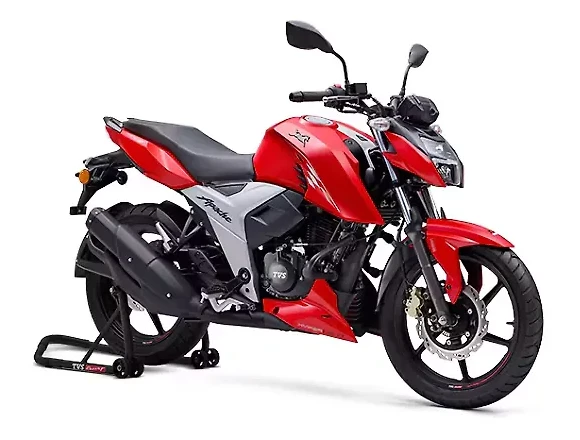
Buyers considering the Bajaj Pulsar N160 Dual Channel ABS can also investigate locally offered versions of the TVS Apache RTR 160 4V, Hero Xtreme 160R, Suzuki Gixxer and Yamaha FZ series. Verify current availability, quotations and ABS configurations rather than assuming every variant is directly comparable. Test low-speed balance, pillion accommodation and braking feel back-to-back. The N160 makes its clearest case when dual-channel ABS matters more to you than minimum weight or the lowest purchase cost.
Pros
- Dual-channel ABS is a meaningful everyday safety advantage.
- Balanced specification for commuting and occasional highway trips.
- Useful 14 L tank and fuel injection.
- Established Bajaj service and parts ecosystem in Bangladesh.
- Projector lighting, USB charging and listed Bluetooth connectivity.
Cons
- 154 kg can make parking and tight manoeuvres demanding.
- Dhaka congestion may reduce economy below the quoted approximation.
- Loaded clearance requires care over aggressive speed breakers.
- Specialised electronics may cost more and require parts waiting time.
Verdict
The Bajaj Pulsar N160 Dual Channel ABS is a persuasive safety-led all-rounder, not a lightweight economy special or a high-speed touring machine. Buy it if the riding position fits, your local workshop inspires confidence and the delivered specification matches the quotation. Its strongest ownership argument is usable performance with better braking protection—not headline speed.